The Spanish Tax Agency could deny deductions for invoices without a QR code
- 10 November 2025
- Uncategorized
What changes does the Verifactu system introduce?
The new Verifactu system, promoted by the Spanish Tax Agency (AEAT), aims to strengthen control over the invoicing of freelancers and companies.
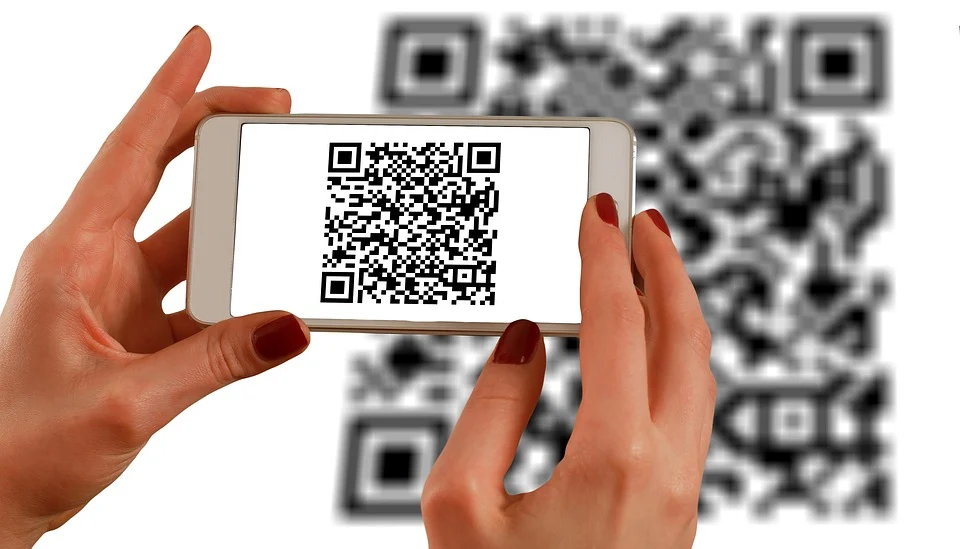
One of its main innovations is the requirement to include a QR code on all invoices, allowing customers to verify that the document has been properly registered with the Tax Agency.
This QR code ensures transparency and traceability, making it possible to confirm that the corresponding VAT or income tax has been correctly applied and withheld.
What are the consequences of not including the QR code?
According to tax inspectors, the AEAT could deny the deduction of invoices that do not include the mandatory QR code, directly affecting a company’s tax situation.
Furthermore, not adopting the Verifactu system could lead to more frequent tax checks and an increased risk of penalties, particularly for companies using private billing software that is not connected to the system.
How could this affect a company’s image and reputation?
The Verifactu system is not only a technical change but also a matter of brand image and tax credibility.
According to AEAT representatives, companies that adopt the system will project an image of compliance and transparency, both to clients and the administration.
On the other hand, those that do not may be perceived as less committed to their tax obligations, which could affect their market reputation and their relationship with the Tax Agency.
What do businesses and advisors say?
The 2025 Advisory Barometer reveals that 61.1% of companies do not plan to voluntarily send digital billing records to the Tax Agency.
Most continue using their own billing programs, which remains a legal option, but which inspectors warn may be seen as a sign of fiscal risk or lack of transparency.
What do experts recommend?
Experts advise preparing in advance for the full implementation of Verifactu and reviewing billing systems to ensure they meet the new technical standards.
They also remind that adapting early can help avoid sanctions and strengthen a company’s image of fiscal reliability before both the Tax Agency and its clients.
In summary
The Verifactu system represents a major shift in how invoices are issued and registered.
Although not yet mandatory in all cases, omitting the QR code could have both fiscal and reputational consequences.
Adopting this new system offers a valuable opportunity for businesses to enhance transparency and build trust with the tax authorities.