Complete guide to the new Immigration Regulations and the extraordinary regularization process in Spain
- 16 April 2026
- Immigration
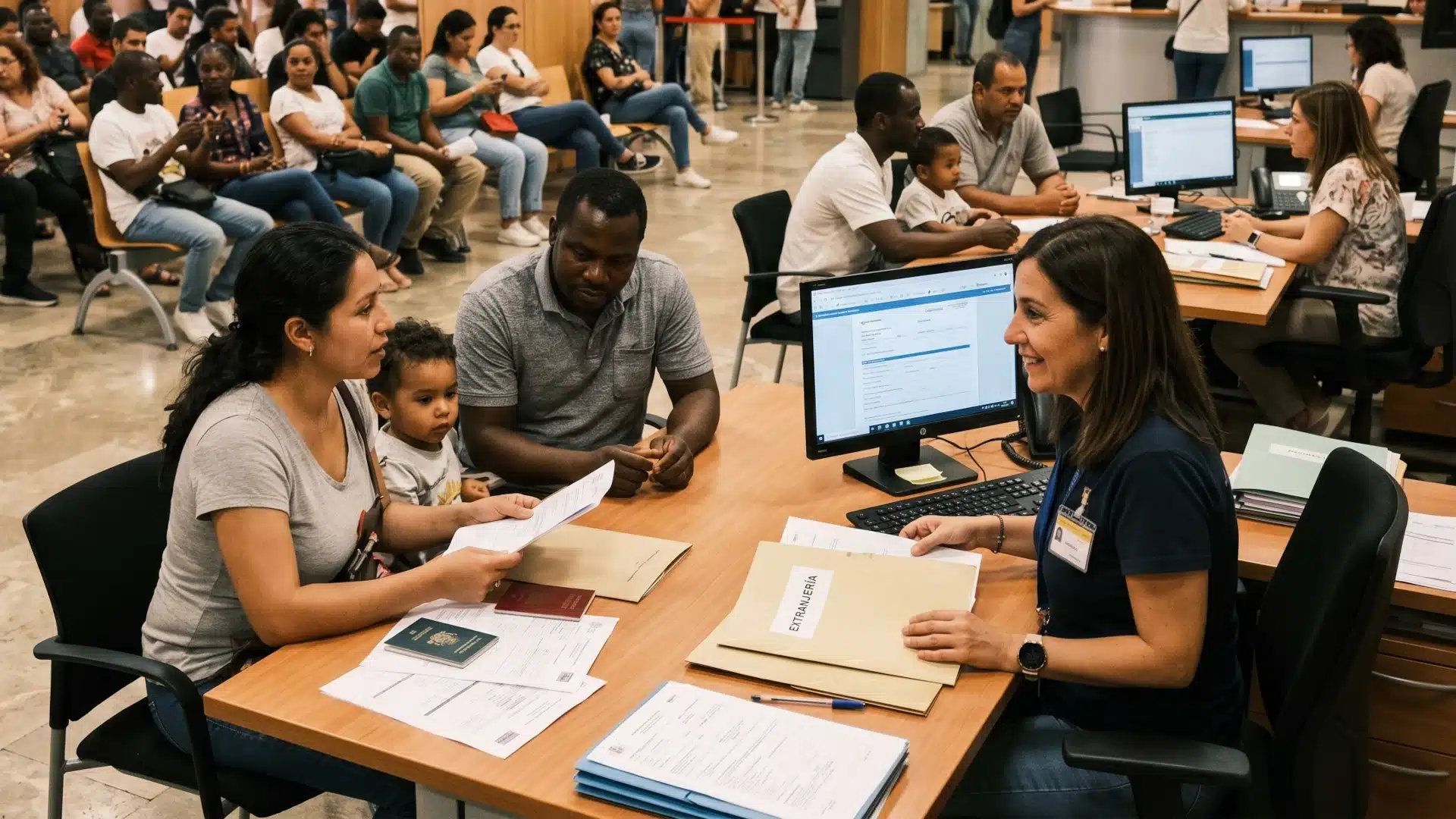
The Spanish government has approved a reform of the Immigration Regulations (Royal Decree 1155/2024) that introduces an extraordinary regularization process for foreign nationals already residing in the country. This measure aims to adapt to the current migration situation and facilitate social and labor market integration.
What are the new types of rootedness that have been created?
The new regulations incorporate two main categories. On the one hand, there is residency based on family ties for applicants for international protection, aimed at those who applied for asylum before January 1, 2026. On the other hand, there is extraordinary residency based on family ties, intended for those who were in Spain before that date and meet certain requirements related to employment, family ties, or vulnerability.
How is the integration effort accredited in this regulation?
The effort to integrate is a key element, especially in cases of social integration where there are no direct family ties. This is certified by a favorable social integration report issued by the Autonomous Community or the City Council.
The report must be issued within one month and assesses aspects such as length of stay at home, financial resources and participation in social, labor or cultural integration programs.
If the certificate is not issued within that timeframe, the applicant may provide proof through other means. Furthermore, this report can also serve as proof of proficiency in the official languages in the case of extensions.
When can I submit my application?
Applications can be submitted electronically starting April 16, 2026. Appointments for in-person submissions can be scheduled on the same day, although in-person service at offices will begin on April 20.
The deadline is June 30, 2026.
What basic requirements must I meet for extraordinary residency?
To access the extraordinary roots it is necessary to be of legal age, not have a valid residence or stay authorization, have remained in Spain continuously for at least five months before the application, lack a criminal record and not pose a risk to public order, security or public health.
What happens to my criminal record if my country of origin does not provide me with the certificate?
Certificates from the countries where you have resided in the last five years must be provided. However, if one month passes without a response after you have applied, you may submit proof of application along with a sworn statement. In that case, the Administration may obtain the information through diplomatic channels.
What documents are valid to prove five months of residency?
To prove residence in Spain for the previous five months, the regulations allow the submission of any legally valid evidence, provided it includes personal data. It will not be mandatory to submit documents already held by the Administration. The social integration report can also serve as proof of residence.
How does the NGO vulnerability report influence things?
In the case of extraordinary residency, vulnerability is a requirement for access. This can be demonstrated through social services or registered third-sector organizations (NGOs). Vulnerability is considered to exist when the administrative situation seriously affects living conditions or access to basic rights.
Are there any special benefits for minor children?
Yes. Applications can be submitted jointly with those of their parents. Furthermore, the requirements have been relaxed, and a residence permit of up to five years may be granted.
Can I work while my case is being processed?
Yes. From the start of the process, the applicant is provisionally authorized to reside and work in Spain, either as an employee or self-employed. If the application is denied, this authorization is automatically revoked.
How long does it take the Administration to respond?
The maximum time allowed for a decision is three months. If there is no response, the application is considered denied by administrative silence.
Where should I submit the application?
The application can be submitted electronically or in person by appointment, at authorized immigration offices, Social Security offices or post offices.
Do you need help with your paperwork?
At CINC, we assist you in starting your immigration procedures or applying for Spanish nationality, guiding you through the entire process safely and effectively. You can send your inquiry here.